Blog/Operations
People counting done properly: why tracked visits beat line crossings
A line-crossing counter counts crossings, and retailers read them as customers. Tracked visits measure the person and their time in the store.
The Maiyn teamJuly 7, 20264 min read
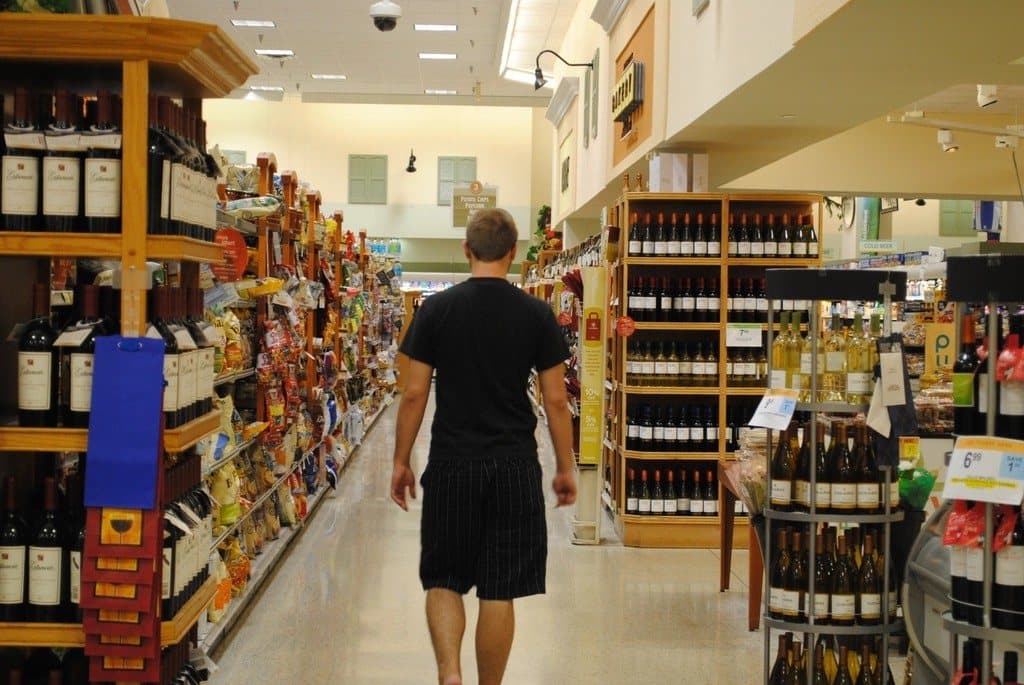
Footfall is the denominator of retail. Conversion rate is transactions divided by visitors. Staffing is planned against expected traffic, and marketing and lease reviews lean on the same figure. When the count is wrong, every number built on it is wrong with it.
Many stores take that figure from a line-crossing counter: an infrared beam across the doorway, or an overhead sensor with a virtual tripwire. These devices do what their name says and count crossings of a line. The trouble starts when each crossing is read as a customer.
What a line crossing counts
A line has no memory. Each crossing is an isolated event, so the counter cannot tell who crossed, whether they have crossed before or what they did next. Four kinds of crossing distort the figure.
- Staff: employees step out for deliveries, breaks and carts, and cross many times a shift.
- Re-entries: a shopper who walks out to take a call and comes back is counted as two visitors.
- Overlaps: two people passing a beam side by side can register as one, most often at the busiest times.
- Non-visitors: couriers, cleaners and people who step into the doorway and turn around.
These errors do not cancel out. Staff movement and re-entries inflate the count, overlaps deflate it during peaks, and the mix shifts by hour and by day. A store with a busy delivery routine and a quiet sales floor reports traffic that never existed, and its conversion rate looks worse than it is.
What a tracked visit records
A tracked visit starts when a person enters and ends when the same person leaves. In between, the vision model follows that person from camera to camera through the store. The unit of measurement is a person and their time in the building, which is what the business wanted to count in the first place.
Because a visit has continuity, the awkward cases resolve themselves. Someone who steps outside and returns two minutes later is one visit. Two people walking in side by side are two visits, because each is tracked individually. Someone who is present all day and spends most of it behind the counter is recognizable as staff and is kept out of the customer figures.
The measurements that follow
Once each visit is a record with a start, an end and a path, several measures that a doorway counter cannot produce become routine. Visit duration shows whether people browse or leave quickly. Dwell by zone shows which departments hold attention. Queue wait time is measured for each visitor from joining the line to being served.
Checkout conversion becomes a direct observation: the share of visits that reach a till. Returning visitors can be separated from first-time visitors. Occupancy is a count of the people present at this moment, so it stays accurate through the day. An occupancy figure derived from entries minus exits drifts, because each missed crossing carries forward until the counter is reset.
Check the numbers you have
A simple test shows how far a current counter can be trusted. Pick one quiet hour and one busy hour. Watch the entrance recording for each and count customers by hand, leaving out staff and counting each re-entry once. Compare the two results with the counter’s figures for the same hours.
The size of each gap shows the error, and the difference between the two gaps shows whether the error moves with traffic. An error that moves with traffic cannot be corrected with a fixed adjustment, which is the strongest reason to change the method. Maiyn Insights reports footfall as tracked visits, using the cameras already above the door.